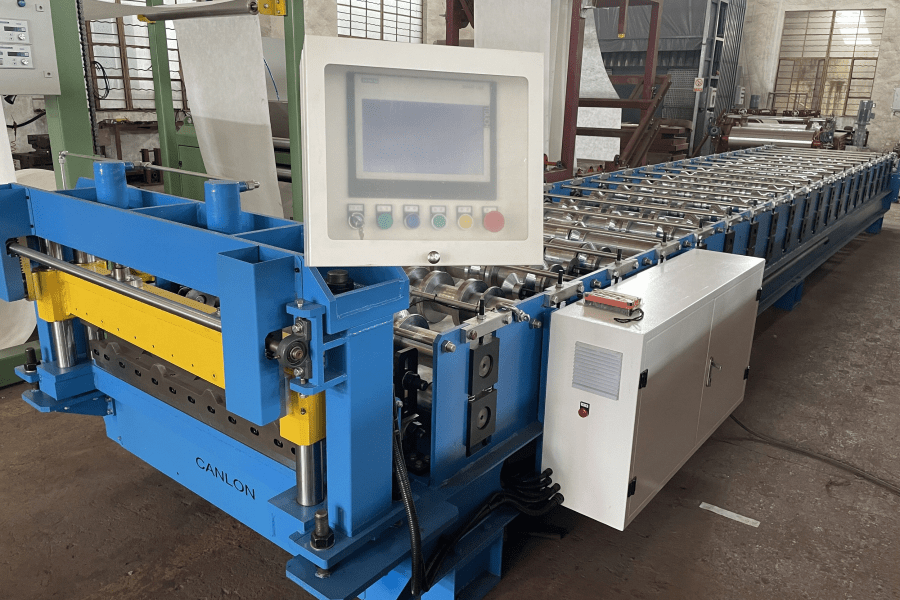
Membrane equipment plays a vital role in modern industrial processes, offering efficient and sustainable solutions for separation, filtration, and purification. This equipment utilizes semi-permeable membranes to selectively allow certain substances to pass while blocking others, enabling processes such as water treatment, food and beverage production, pharmaceuticals, and chemical manufacturing. Understanding the applications of membrane corrugating machine along with best practices for maintenance is essential for optimizing performance, extending equipment lifespan, and reducing operational costs.
Overview of Membrane Equipment
Membrane equipment comprises systems that use membranes to separate components based on size, molecular weight, or chemical properties. The membranes can be made from various materials including polymers, ceramics, and metals, depending on the specific application and required selectivity. The technology is broadly categorized into several types, such as microfiltration, ultrafiltration, nanofiltration, and reverse osmosis, each designed to filter out particles of different sizes and compositions.
The equipment typically includes membrane modules housed within pressure vessels or cartridges, pumps to circulate fluids, instrumentation to monitor flow and pressure, and control systems to ensure proper operation. Membrane systems can operate in batch or continuous modes, and are often integrated into larger process plants to improve efficiency and product quality.
Key Applications of Membrane Equipment
One of the primary applications of membrane equipment is in water and wastewater treatment. Reverse osmosis (RO) and nanofiltration membranes are widely used to remove dissolved salts, organic contaminants, and pathogens from drinking water and industrial wastewater streams. These systems enable the production of high-purity water for drinking, manufacturing, and cooling purposes. In municipal water treatment plants, membrane filtration helps meet stringent regulatory standards while reducing chemical usage and sludge production compared to traditional methods.
In the food and beverage industry, membrane filtration plays a critical role in clarifying juices, concentrating dairy products, and purifying ingredients. Ultrafiltration membranes, for example, can concentrate proteins in milk or separate unwanted fats and microbes from liquids. This process preserves flavors and nutrients while enhancing shelf life and safety. Additionally, membranes are employed to recover valuable by-products from food processing waste streams, improving sustainability and cost-effectiveness.
Pharmaceutical manufacturing benefits significantly from membrane technology, particularly in the purification of active pharmaceutical ingredients (APIs) and sterile filtration. Membranes can effectively remove bacteria, viruses, and particulates, ensuring that pharmaceutical products meet rigorous quality and safety standards. The ability to filter at a molecular level also aids in solvent recovery and separation of complex mixtures during drug formulation.
In chemical and petrochemical industries, membrane equipment is used for solvent recovery, separation of emulsions, and removal of contaminants from process streams. Membrane systems help reduce the environmental impact of these industries by minimizing waste and enabling the reuse of solvents and water. This leads to more sustainable and economically viable operations.
Types of Membrane Equipment
Membrane equipment varies widely depending on the application, but common configurations include spiral wound, hollow fiber, and tubular modules. Spiral wound membranes are widely used in water treatment due to their high surface area and compact design. Hollow fiber membranes provide excellent filtration capabilities for microfiltration and ultrafiltration applications, often used in bioprocessing and wastewater treatment. Tubular membranes are favored for processes involving viscous or particulate-laden fluids, such as in the food and chemical industries, because of their robust construction and ease of cleaning.
Each membrane type offers distinct advantages and limitations in terms of operating pressure, flow rates, and fouling resistance. Selecting the appropriate membrane equipment requires consideration of feed water quality, target contaminants, required permeate quality, and process conditions.
Common Maintenance Challenges
Despite their benefits, membrane systems face challenges related to fouling, scaling, and chemical degradation. Fouling occurs when particles, microorganisms, or organic matter accumulate on the membrane surface, reducing permeability and increasing energy consumption. Scaling results from the precipitation of minerals such as calcium carbonate or silica, which can block membrane pores and cause irreversible damage. Chemical degradation can occur if membranes are exposed to harsh cleaning agents or incompatible process fluids.
Failure to address these issues can lead to decreased system performance, frequent downtime, and costly membrane replacement. Therefore, proactive maintenance is critical to maximize the efficiency and lifespan of membrane equipment.
Maintenance Tips for Membrane Equipment
Proper maintenance of membrane equipment involves a combination of regular monitoring, cleaning, and operational best practices. The following tips can help ensure optimal performance and durability:
Regular Monitoring: Track key parameters such as permeate flow rate, differential pressure, salt rejection (for RO systems), and feed water quality. Sudden changes in these indicators often signal fouling or membrane damage that requires intervention.
Pre-Treatment of Feed Water: Use appropriate pre-treatment methods such as filtration, softening, or chemical dosing to reduce the load of suspended solids, hardness, and organic matter entering the membrane system. This helps prevent fouling and scaling, prolonging membrane life.
Scheduled Cleaning: Implement routine cleaning protocols based on system performance and manufacturer recommendations. Cleaning can be chemical or physical, involving flushing with specialized solutions to remove fouling agents. Cleaning frequency depends on feed water characteristics and operating conditions.
Proper Chemical Use: Select cleaning chemicals compatible with membrane material to avoid damage. Use the correct concentration, temperature, and duration to maximize cleaning effectiveness while minimizing membrane wear.
Avoiding Dry-Out: Ensure membranes remain hydrated during shutdown periods, as drying can cause irreversible damage to membrane structures. Proper storage and system flushing before shutdown can prevent this issue.
Inspection and Replacement: Periodically inspect membranes and associated components for signs of wear, damage, or degradation. Replace membranes when performance drops below acceptable levels despite cleaning.
Operator Training: Train personnel on membrane system operation, troubleshooting, and maintenance procedures. Well-informed operators can detect and address problems early, avoiding costly repairs.
Emerging Trends in Membrane Maintenance
Advances in membrane technology and digital monitoring are transforming maintenance practices. Smart sensors and automated control systems provide real-time data on membrane health, enabling predictive maintenance and minimizing unplanned downtime. Machine learning algorithms analyze operational data to optimize cleaning schedules and detect early signs of membrane failure.
Innovations in membrane materials, such as fouling-resistant coatings and novel polymer blends, reduce maintenance frequency and improve overall system reliability. Additionally, eco-friendly cleaning agents and processes are being developed to minimize environmental impact.
Conclusion
Membrane equipment is integral to many industrial processes, providing effective and sustainable solutions for separation and purification challenges. Its applications span water treatment, food and beverage production, pharmaceuticals, and chemical manufacturing, highlighting its versatility and importance. Proper maintenance is crucial to harness the full benefits of membrane technology, ensuring consistent performance, prolonging equipment life, and controlling operational costs. By adopting best practices such as regular monitoring, appropriate pre-treatment, scheduled cleaning, and operator training, industries can maximize the value derived from membrane systems. With ongoing innovations and digital advancements, the future of membrane equipment maintenance promises even greater efficiency and sustainability.
